
You may notice your child or teenager:
• Struggles to go to school or feels overwhelmed by learning.
• Finds it hard to make or keep friends.
• Feels anxious, withdrawn, or constantly on edge.
• Has big emotional outbursts or shuts down completely.
• Lacks confidence or feels "different" from others.
• Has difficulty settling at night or getting enough rest.
• Is neurodivergent (ADHD or autistic) and overwhelmed by emotions or social situations.
When children and teens are under stress, it often shows through behaviour rather than words. What looks like avoidance, anger, or withdrawal is often a nervous system that feels unsafe or overloaded.
For Children
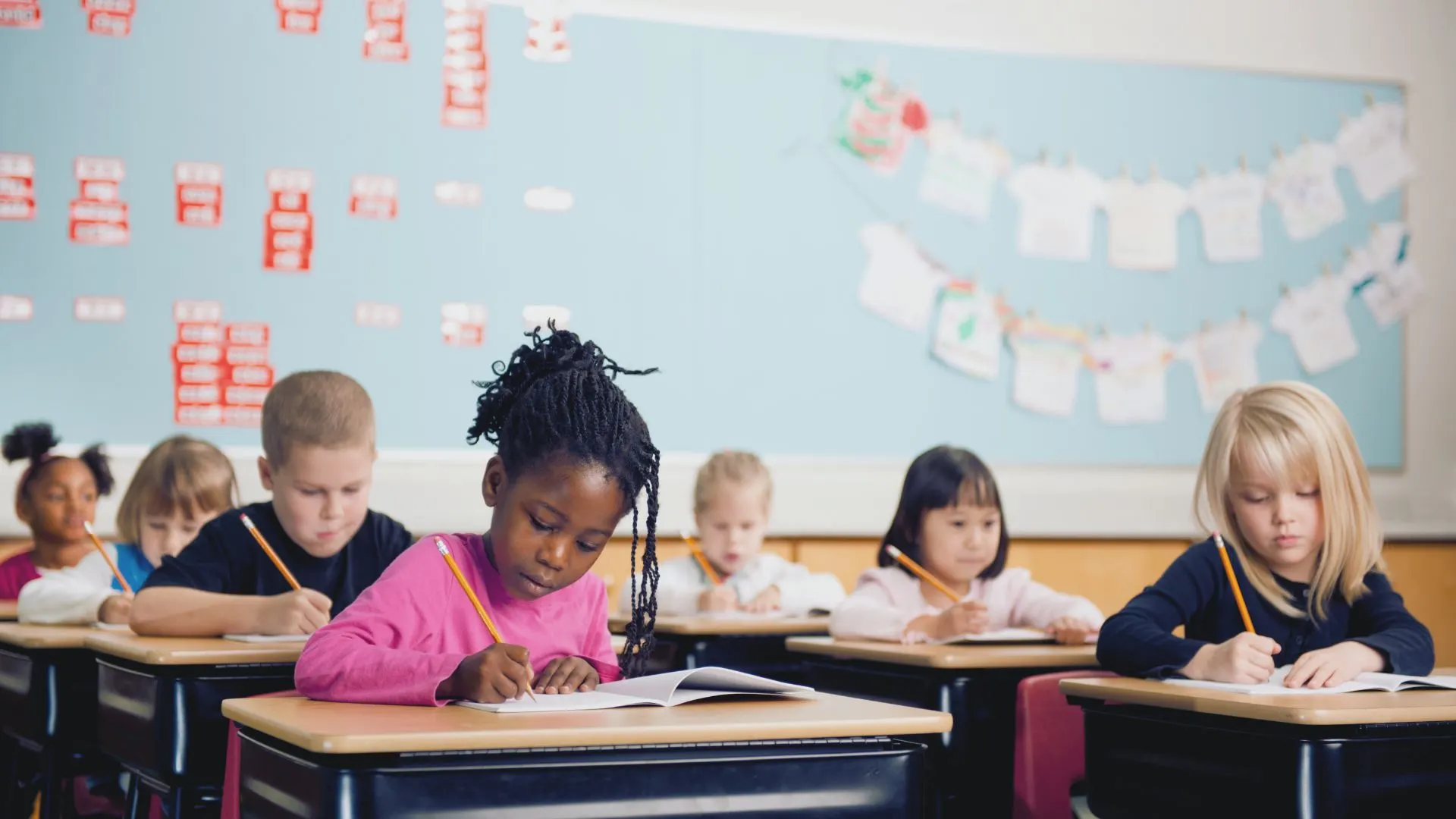
Children develop emotional regulation through safety, connection, and exploration. When this process is disrupted, distress often appears through behaviour, tantrums, withdrawal, or clinginess, because some feelings are too big or confusing to explain.
Busy schedules, sensory overload, and high screen use can further challenge their nervous system.
Kinesiology, alongside counselling, supports children in expressing and regulating emotions without relying solely on words.

For Teens
Being a teenager can be intense. Adolescence brings major brain and hormonal changes, and increased self-consciousness can spark strong emotions and poor impulse control.
As peers become a central source of reference, teens often pull away from parents while exploring their identity.
Often, their feelings and experiences show up through their behaviours or big feelings rather than language, which can create tension in the family.
This can manifest as perfectionism, avoidance, withdrawal or risk-taking behaviours. Many teens don’t yet understand what’s happening to them or have the language to explain it.
Alongside counselling, body‑based approaches such as kinesiology can support emotional awareness and regulation when feelings are hard to put into words.
How Kinesiology Supports Children & Teens
Kinesiology allows therapy to work directly with the body and nervous system, which is especially helpful for young people who struggle to verbalise their inner experience.
Anchored in principles from Traditional Chinese Medicine, reflex points, and gentle muscle testing, kinesiology helps identify patterns of stress that may be keeping your child from feeling safe, settled, and grounded.
Specific emotions, unhelpful beliefs, or the imprint of past experiences, such as separation, loss, or change, can be gently identified and named, supporting your child’s emotional processing.
Sessions often blend acupressure, breathing exercises, and simple mindset tools to support nervous‑system regulation and emotional balance in a way that feels safe and age‑appropriate.
With older teens, sessions may integrate counselling tools alongside kinesiology, using evidence-based techniques such as cognitive behavioural therapy (CBT) to gently explore their inner world and help manage challenges such as social anxiety, regulate emotions, and build coping skills.
This body‑based approach supports:
Emotional regulation.
Reduced anxiety and overwhelm.
Improved sleep and settling.
Greater resilience and confidence.
What to Expect
The initial session focuses on building trust and creating a safe space for both parents and children to explore home, school, or social concerns. For younger children, parents can attend the sessions, which can provide valuable insight into the issues and support the child’s progress.
Following sessions, I may also suggest simple home practices or tools to help reinforce what your child is learning and support them between appointments. These may include adjustments to daily routine or nutrition.
Referrals or additional support may be recommended when helpful.
To use muscle testing accurately, it is recommended that your child be 7 yo or older. For younger children, the session is conducted using the parent as a surrogate.
Supporting Parents
Parents and a child’s environment play an important role in emotional wellbeing.
At the same time, there are often aspects of life well beyond a parent’s control, such as family separation, work stress, changes within the household, or experiences like bullying, that can deeply affect a child and create stress for the whole family.
In these circumstances, our work may focus on building resilience and strengthening coping skills. While your child is supported directly, it’s often when parents feel understood, supported, and gently resourced that positive change is most easily sustained.
At times, I may also suggest an individual session for a parent to offer a compassionate space for reflection, nervous system regulation, and self-care. This can gently help families become more resilient and foster more open, supportive communication.
You don’t need to have all the answers. Supporting your child is a process, and you don’t have to do it alone.
Still unsure about how I can help your child or teen, book a free discovery call today
How to prepare your child for a kinesiology session
It is very normal for your child to feel nervous or unsure before their first session. For some children, this anxiety about new places or experiences may be part of the reason they’re coming.
Here are a few gentle ways you can support your child beforehand:
Be honest and transparent. Explain where they’re going and what will happen in simple, reassuring language.
Let them know you’ll be with them the whole time.
Describe the session calmly. You might say that we’ll have a gentle chat together, there will be toys to play with, and interesting things to explore. Some children enjoy looking at crystals, and we may do gentle exercises or light touch if they’re comfortable with that.
Familiarity helps. Showing your child a photo of me from the website can help the space feel more familiar.
Emphasise safety and choice. Let them know they will always be safe and that they have a say in what we do. Reframe the purpose.
Reinforce that the session isn’t about fixing anything, it’s about helping them feel calmer, more settled, and more supported.
Normalise their experience. You can let them know that I see lots of children just like them.
Feel free to reach out for any other questions they may have.

In person appointments:
Adelaide Hills Hawthorndene, SA 5051
(exact address provided upon booking)
Free parking available
Distance/Online appointments available via Zoom
Tuesdays: 9.00 am - 6.30 pm
Thursdays: 9.00 am - 5.30 pm
Saturdays: 9.00 am - 12.30 pm
Other availability upon request
Ph: +61 450 676 990